
 Light
Light Grey
Grey Natural
 Dark
Dark White
White Light
Light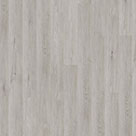 Grey
Grey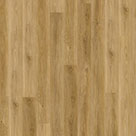 Natural
 Dark
Dark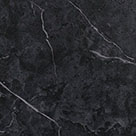 Black
Black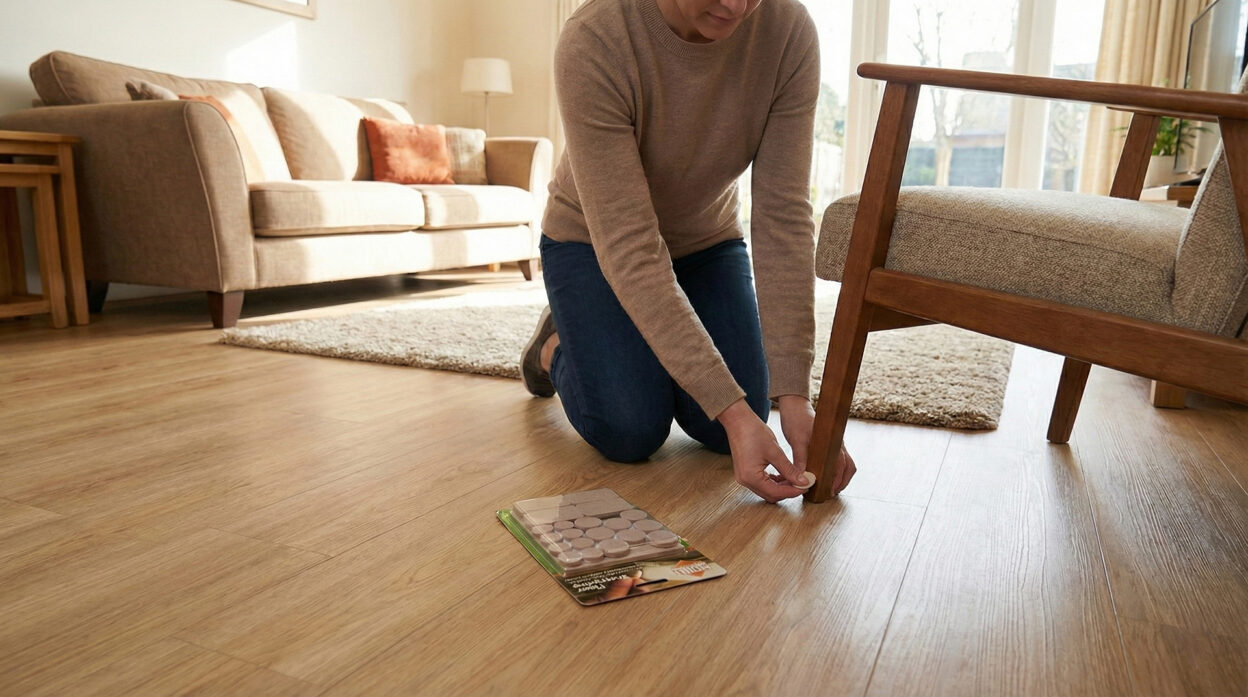
You’ve invested time and money into choosing the perfect wood, laminate, or luxury vinyl flooring. It looks stunning, feels great underfoot, and transforms your room. But there is one common enemy that can ruin that pristine finish in seconds: your furniture. The scrape of a dining chair, the drag of a sofa, or the heavy footprint of a wardrobe can cause irreversible scratches, gouges, and dents if you don’t use protective floor pads.
The solution is simple, affordable, and often overlooked. Also known as furniture pads or floor protectors, these small additions are the single most effective way to extend the life of your hard flooring. Yet, with various materials like felt, rubber, and plastic available, choosing the right one can be confusing. This guide for 2025 will explain exactly what floor pads you need for your specific flooring type, how to fit them, and why they are the best insurance policy for your home’s interior.
Jump to Section:
- Why Floor Pads are Non-Negotiable for Hard Floors
- The Different Types of Floor Pads Explained
- Match Your Pad to Your Floor: A Compatibility Guide
- How to Apply Floor Pads Correctly for Long-Lasting Protection
- When to Replace Your Floor Pads
- The Final Verdict: Small Pads, Big Protection
Why Floor Pads are Non-Negotiable for Hard Floors
It’s easy to underestimate the damage furniture can do. Even if you are careful, microscopic grit and dust can get trapped under furniture legs. Without a protective floor pad, moving a chair creates a sandpaper effect, grinding that grit into the finish of your floor.
- Scratch Prevention: They create a soft barrier between the hard furniture leg and your floor’s wear layer.
- Noise Reduction: They dampen the harsh scraping sound of chairs being pulled out, making for a quieter home.
- Ease of Movement: Felt pads allow furniture to glide smoothly, making it easier to clean or rearrange your room without straining your back or your floor.
- Indent Protection: Some pads distribute weight, helping to prevent heavy items from crushing the fibres of wood or leaving deep dents in vinyl.
The Different Types of Floor Pads Explained
Not all pads are created equal. Choosing the right material for the job is key.
Self-Adhesive Felt Pads: The Gold Standard
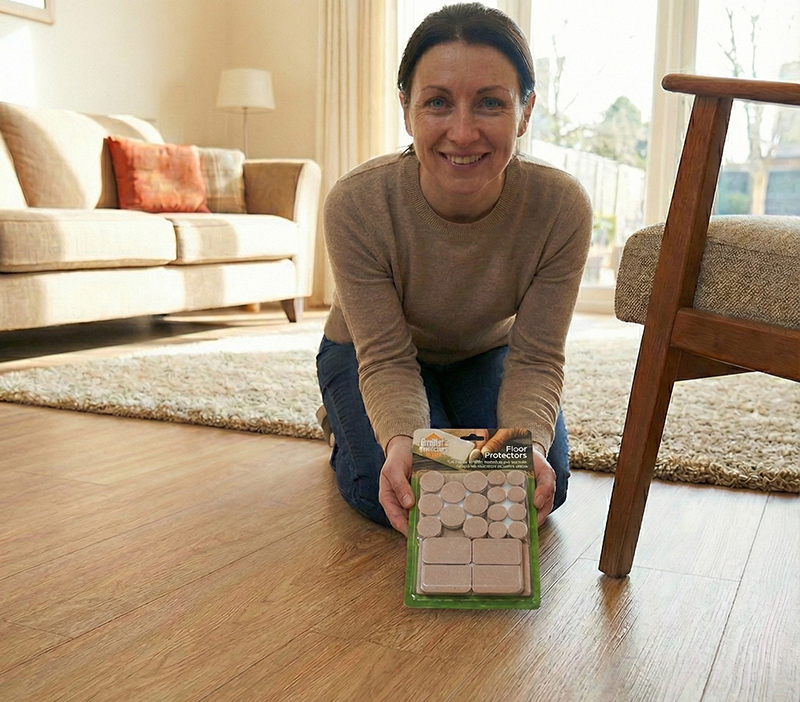
These are the most versatile and popular floor pads for UK homes. Made from dense, compressed felt with a sticky back, they come in various sizes (circles, squares, or cut-to-size sheets).
- Best for: Dining chairs, tables, coffee tables, and lightweight furniture that is moved frequently.
- Pros: Cheap, easy to apply, allows smooth gliding, excellent scratch protection.
- Cons: Can collect dust/hair over time, adhesive eventually fails.
Rubber Non-Slip Pads: For Grip and Stability
If you have a sofa that slides every time you sit down, or a washing machine that vibrates, standard felt floor pads aren’t the answer. You need rubber.
- Best for: Sofas, armchairs, heavy appliances, or any item you don’t want to move.
- Pros: Keeps furniture firmly in place, protects against dents.
- Cons: High friction makes furniture hard to move; rubber can sometimes mark certain vinyls (check for “non-staining” rubber).
Nail-On or Screw-On Glides: The Permanent Solution
For wooden furniture legs, these are a robust upgrade to adhesive floor pads. Instead of sticky tape, a small nail or screw holds the felt or plastic glider permanently in place.
- Best for: Wooden dining chairs in busy households.
- Pros: Won’t fall off like self-adhesive pads.
- Cons: Requires tools to fit; if the felt wears down, the exposed metal screw can scratch the floor severely.
Castor Cups: For Heavyweights and Wheels
Pianos, antique sofas on wheels, or heavy beds can spell disaster for floors. Castor cups are specialized floor pads shaped like dishes (rubber, plastic, or wood) that sit under the wheel or leg.
- Best for: Heavy furniture with castors (wheels) or spiked legs.
- Pros: Distributes heavy weight to prevent deep dents; stops wheels rolling.
Match Your Pad to Your Floor: A Compatibility Guide
Different floors have different vulnerabilities, so choosing compatible floor pads is vital.
- For Real Wood & Engineered Wood: Always use thick felt pads. You want the furniture to glide to prevent gouging the grain. Avoid plastic glides which can be too hard.
- For Laminate Flooring:Felt pads are ideal. They prevent the micro-scratches that can dull the laminate’s wear layer over time.
- For Luxury Vinyl Tile (LVT) & Vinyl:Felt is safe for moving items. For stationary items, check that rubber pads are non-staining, as some cheap rubber can react with vinyl and cause discoloration. Felt is generally the safest bet for LVT.
- For Carpet: You don’t need felt. Use smooth plastic gliders to help furniture slide over the pile, or spiked castor cups to grip the carpet backing and prevent heavy dents.
How to Apply Floor Pads Correctly for Long-Lasting Protection
Many people find their self-adhesive pads fall off after a week. This is usually due to poor preparation.
- Clean the Leg: Turn the furniture over. The bottom of the leg is likely dusty, gritty, or has old glue residue. Clean it thoroughly with a household cleaner or methylated spirits. Ideally, give it a quick light sand to create a fresh surface.
- Dry Completely: Adhesive won’t stick to damp wood. Ensure it is bone dry.
- Position Correctly: Peel the backing and place the floor pad centrally. Ideally, the pad should be slightly smaller than the leg base so it isn’t visible and doesn’t catch on things.
- Apply Pressure: Don’t just stick it on. Press down firmly with your thumb for 10-20 seconds to activate the adhesive. Ideally, wait an hour before putting weight on the chair.
When to Replace Your Floor Pads
Floor pads are a consumable item; they are not designed to last forever.
- Check them every 3-6 months.
- If the felt has compressed to be very thin, is hardening, or is picking up a lot of grit/hair, it’s time to change them.
- A worn-out pad filled with grit is essentially a sanding block—replace it immediately to avoid scratching your floor.
The Final Verdict: Small Pads, Big Protection
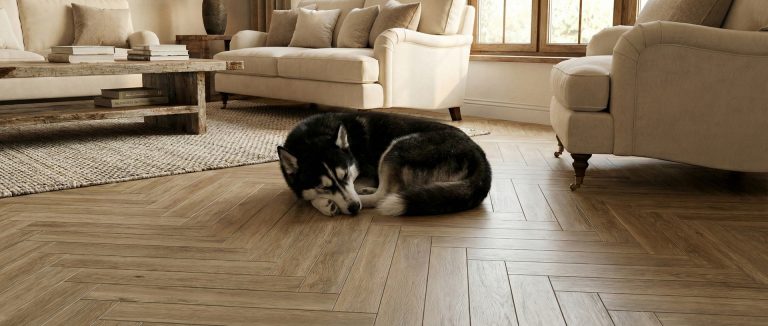
In the grand scheme of a renovation budget, floor pads cost pennies, but they save pounds in repair costs. Whether you have installed a premium engineered oak floor or a stylish herringbone LVT, fitting high-quality felt pads to your furniture is the single most effective maintenance step you can take. It’s a five-minute job that ensures your floor remains scratch-free, quiet, and beautiful for years to come.