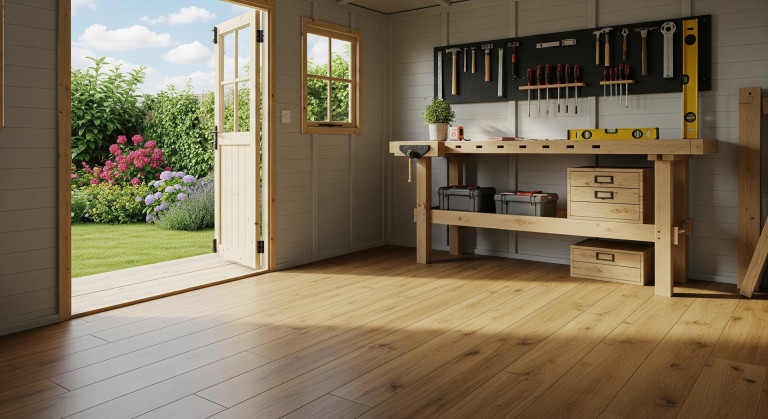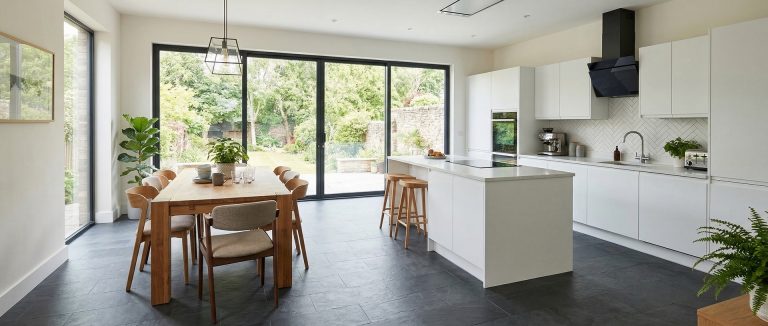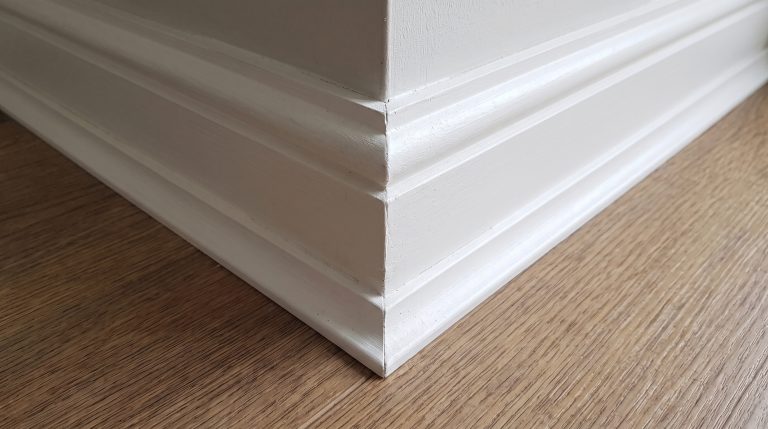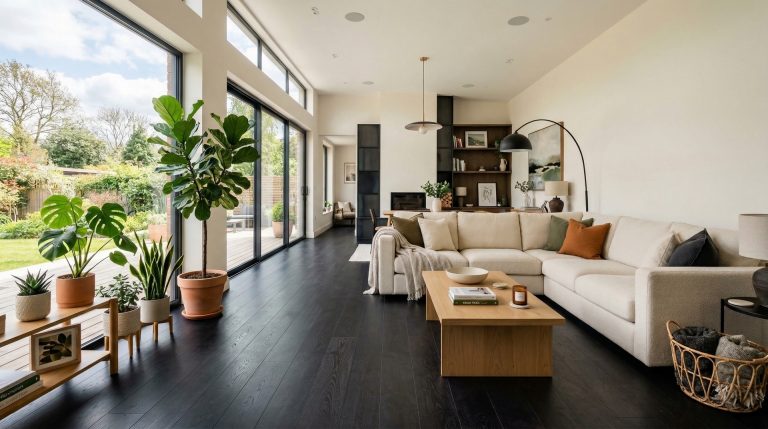

 Light
Light Grey
Grey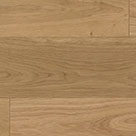 Natural
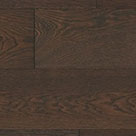 Dark
Dark White
White Light
Light Grey
Grey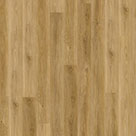 Natural
 Dark
Dark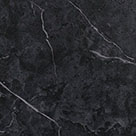 Black
Black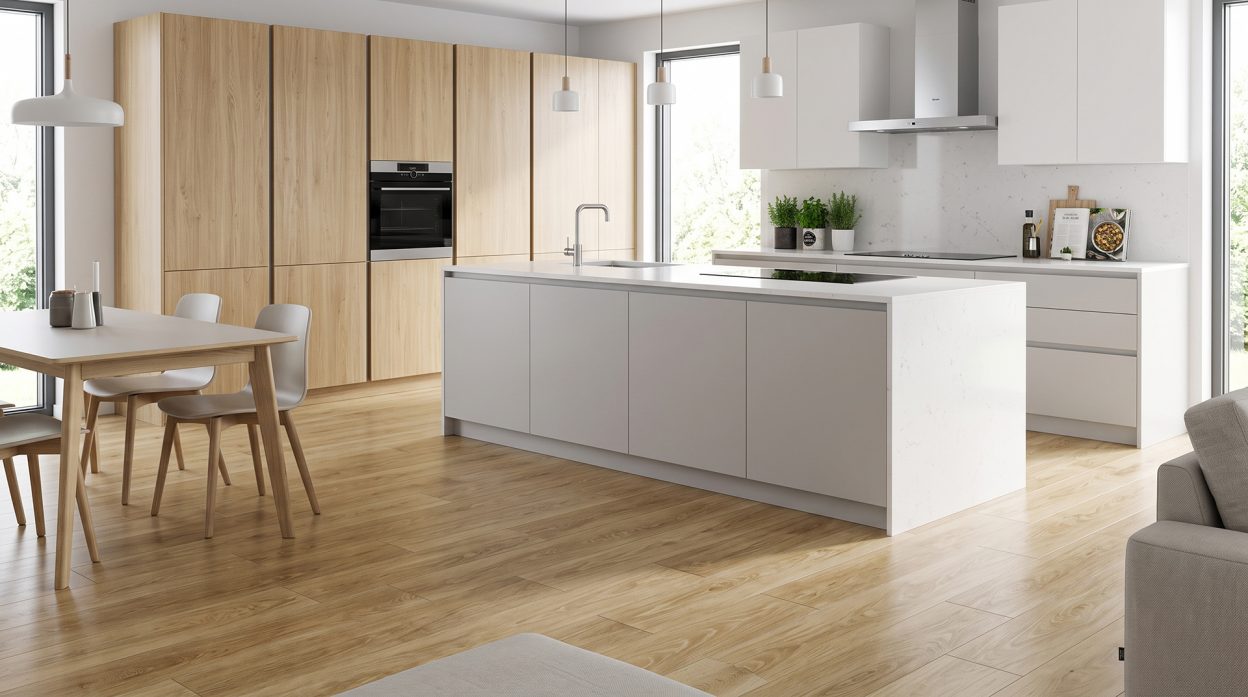
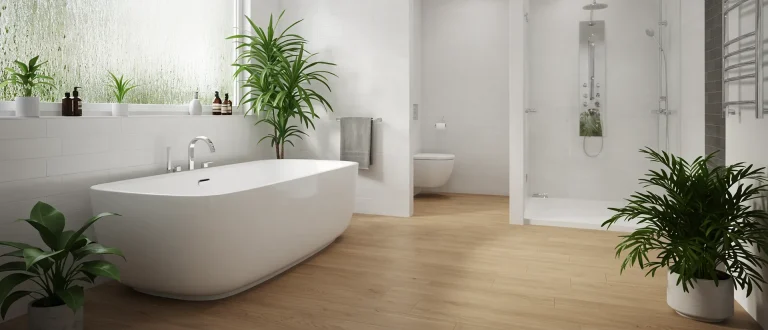
Walk into any modern kitchen or bathroom renovation and you’ll see the same thing: planks that look exactly like solid oak or walnut, but feel slightly different underfoot and shrug off water like nothing happened. That’s wood vinyl flooring, and it’s quietly become the default choice for anyone who wants the warmth of wood without the maintenance headaches.
In this guide, we’ll help you decide whether wood vinyl flooring is the right pick for your project, how it compares to real wood and laminate, what to look for on the spec sheet, and which range is worth your money in each room of your home.
Jump to Section:
- What Is Wood Vinyl Flooring?
- Why Buyers Choose Wood Vinyl Flooring
- Wood Vinyl Flooring vs Real Wood: Which Should You Buy?
- Which Wood Vinyl Flooring Suits Your Room?
- What to Look for When You Buy
- Common Buyer Pitfalls (and How to Dodge Them)
- Choosing Your Wood Vinyl Flooring with Confidence
- Final Thoughts on Wood Vinyl Flooring
What Is Wood Vinyl Flooring?
Wood vinyl flooring is vinyl flooring designed to look like real wood. The planks (or tiles) carry a high-resolution photographic layer of an actual wood grain, sealed under a tough transparent wear layer and backed by a rigid core. The result is a floor that fools the eye, holds up to daily life, and doesn’t mind getting wet.
You’ll see it sold under a few names: luxury vinyl tile (LVT), luxury vinyl plank (LVP), rigid vinyl, or simply “wood-look vinyl.” LVT and LVP are the industry-standard labels, but on the shop floor and in real homes, “wood vinyl flooring” is what most people ask for.
The key thing for you as a buyer is this: when you choose wood vinyl flooring, you’re choosing a waterproof, low-maintenance surface that imitates wood, not the wood itself. The visual depth, the grain pattern, even the texture underfoot have come a very long way in the last decade. The best ranges now genuinely fool most visitors on first glance.
Why Buyers Choose Wood Vinyl Flooring
So why has wood vinyl flooring become the go-to for so many rooms? Because the benefits stack up:
- Waterproof. Real wood and water don’t mix. Wood vinyl flooring doesn’t care. Spills, splashes, muddy paws, even the occasional flooded dishwasher won’t damage it.
- Realistic wood look. Modern manufacturing has closed the gap. Embossed grain, matte finishes, and varied plank patterns mean good wood vinyl flooring looks convincingly like the real thing.
- Tough underfoot. A heavy wear layer resists scratches, scuffs, and dents far better than most real wood finishes.
- Comfortable and quiet. Wood vinyl flooring feels warmer and softer underfoot than tile or stone, and the right underlay makes it noticeably quieter than laminate.
- Easy to live with. No sanding, no oiling, no waxing. A quick mop with a pH-neutral cleaner is all it needs.
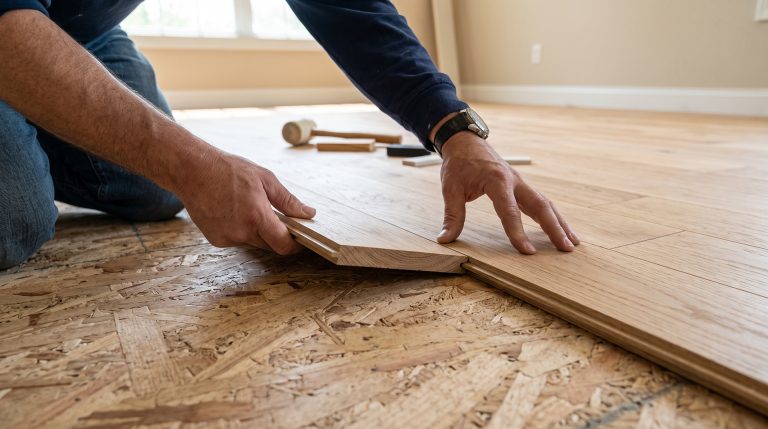
- Quick to install. Most wood vinyl flooring clicks together without glue, making it one of the faster floors to fit, even for a confident DIYer.
The trade-off is that wood vinyl flooring won’t ever feel quite like a solid oak plank, and you can’t sand it back if it gets damaged. For most modern homes, the trade is well worth it.
Wood Vinyl Flooring vs Real Wood: Which Should You Buy?
It’s also the question that comes up most often, and the honest answer is that neither is universally better. They do different jobs.
| If your project looks like this… | Go for… |
|---|---|
| You want real-wood authenticity, are investing long-term, and the room stays dry | Engineered or solid wood |
| You want a wood look in a kitchen, bathroom, utility room, or anywhere wet | Wood vinyl flooring, full stop |
| You’re redoing a rental or quick-sale property and want a fast, smart result | Wood vinyl flooring for the speed and forgiveness |
| You’re matching period features and care about provenance and feel | Real wood, ideally with a fitter who knows the material |
A few practical points worth weighing:
- Real wood can be sanded and refinished, ages beautifully, and carries a warmth and prestige that wood vinyl flooring can only imitate. It also hates moisture and needs more care.
- Wood vinyl flooring is waterproof, scratch-resistant, and much faster to install. It can’t be refinished, and the very cheapest options can look plasticky up close.
- Engineered wood sits in between: a real-wood surface bonded to a plywood or HDF core, more stable than solid wood but still vulnerable to standing water.
If you’re not sure which to go for, the safe answer for most busy family homes is wood vinyl flooring in wet areas and engineered wood in living rooms and bedrooms. If you want one consistent floor throughout, wood vinyl flooring is the more practical pick.
Which Wood Vinyl Flooring Suits Your Room?
This is where most buyers get stuck. The format choice matters as much as the colour, because different formats handle traffic, light, and room size differently. Here’s how it usually breaks down:
- Kitchens, bathrooms, and utility rooms. Waterproof is the priority. Our wood vinyl flooring ranges cover everything from the budget-friendly Value Range to the premium Pro-Tek™ Editions and Pro-Tek™ Excel ranges, all built on a waterproof SPC construction that shrugs off spills and splashes.
- Living rooms, dining rooms, and bedrooms. Wood vinyl flooring works beautifully here too, especially in family homes with pets or kids. Choose a thicker plank (8mm) for a more substantial feel and a textured finish to catch the light.
- Hallways, stairs, and high-traffic zones. Go tougher. A high AC rating and a thick wear layer are your friends. Herringbone patterns in wood vinyl flooring disguise inevitable scuffs better than long planks, and they anchor a hallway beautifully.
- Home offices and studies. Wood vinyl flooring is great here too. Pair it with a chair mat to protect against castor wheels and you’re set.
There’s no single right answer when choosing wood vinyl flooring for your home. The right floor is the one that matches the room’s demands and your taste, with the range doing the heavy lifting.
What to Look for When You Buy
Once you’ve narrowed down the format, the spec sheet tells the rest of the story. Here’s what to check first:
- Overall board thickness.5mm to 8mm is standard for wood vinyl flooring. Thicker tends to feel more substantial, hide subfloor imperfections better, and reduce noise underfoot.
- Wear layer thickness. This is the transparent protective layer on top, measured in mils (thousandths of an inch) or millimetres. Anything 0.3mm and above is suitable for most homes; 0.5mm and above is commercial-grade toughness.
- Core construction. Most modern wood vinyl flooring uses an SPC (stone plastic composite) rigid core for stability and dent resistance. Some older ranges still use WPC (wood plastic composite), which feels slightly softer underfoot. Our SPC guide explains the differences in detail.
- Surface finish. Embossed textures follow the grain pattern for realism; matte finishes hide smudges better than high-gloss; bevelled edges add definition between planks.
- AC rating. A wear rating from AC1 (light domestic) to AC5 (heavy commercial). For most homes, AC4 is the sweet spot. For rental properties and busy households, AC5 is worth the extra.
- Underfloor heating compatibility. Most wood vinyl flooring is compatible with underfloor heating, but always check the spec. Our Underfloor Heating guide covers what works with what.
- Warranty and brand reputation. A genuine warranty backed by a brand you can actually contact matters more than a flashy brochure.
If the spec sheet makes your eyes glaze over, that’s normal. That’s also why ordering samples and asking questions is the smartest move before committing to any wood vinyl flooring.
Common Buyer Pitfalls (and How to Dodge Them)
Buying wood vinyl flooring is the kind of decision where the same handful of mistakes trip people up time and again. None of them are disasters; they’re just things that are easier to avoid than to fix later.
- Choosing the wrong range for the room. The single biggest one. A bargain range in a busy hallway with a dog and a toddler will look tired in two years. Match the wear layer and AC rating to the traffic.
- Skipping the samples. Pictures lie. Light, surrounding colours, and even your subfloor colour change how wood vinyl flooring looks. Order free samples, live with them for a few days, and decide with your own eyes.
- Forgetting underlay. The right underlay makes wood vinyl flooring feel warmer, quieter, and longer-lasting. Skipping it makes the floor feel hollow and sound hollow too.
- Underestimating wastage. Order 10% extra for plank layouts, 15% for herringbone or diagonal patterns. Offcuts become useful, but only if you have them.
- Buying on price alone. The cheapest wood vinyl flooring often looks the cheapest. Embossing, wear layers, and finish quality all vary dramatically. Buy the best your budget allows for the rooms that get the most traffic.
- Forgetting the accessories. Don’t forget door bars, scotia beading, and the right cleaning products in your budget. The floor itself is the headline, but the accessories make the install look finished.
One more, and probably the most common: don’t fall in love with a wood vinyl flooring plank online before seeing it in person. The pictures flatter almost every range out there.
Choosing Your Wood Vinyl Flooring with Confidence
Buying wood vinyl flooring should feel exciting, not stressful. Here’s the process we’d recommend:
- Shortlist three or four wood vinyl flooring options based on the room, your budget, and your taste. Our free flooring guides and FAQs help narrow things down quickly.
- Order free samples of your favourites. Live with them in the actual room for a few days. Watch how they change in morning, afternoon, and evening light.
- Talk to a human if you’re stuck. Our request a callback service puts you in touch with one of our flooring experts. No scripts, no pressure, just honest advice.
- Visit us if you can. Our Paignton flooring showroom lets you see wood vinyl flooring at full scale. A 200mm wide plank looks very different on a website to a 200mm wide plank across an entire showroom floor.
- Place your order with confidence, knowing you’ve made the choice for the right reasons.
That’s it. No jargon, no upselling, just a sensible process that’s helped thousands of customers land on a wood vinyl floor they still love years later.
Final Thoughts on Wood Vinyl Flooring
Wood vinyl flooring has earned its place as the default choice for modern, busy homes, and for good reason. It’s waterproof, tough, easy to live with, and now looks convincingly like real wood. Choose the right range for your room, take your time over the samples, and you’ll end up with wood vinyl flooring that quietly does its job for decades. Order your free samples today to feel the quality for yourself, and remember free UK delivery on orders over £500 (excluding VAT) keeps things straightforward when you’re ready to go.